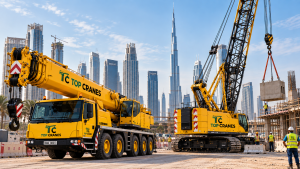
In the high-stakes environment of construction, the crane is often the heartbeat of the project. While much emphasis is rightly placed on equipment certifications and load calculations, there is one dynamic, human factor that is the ultimate determinant of safety: the certified crane operator.
An operator is not merely a driver. They are a decision-maker, a risk assessor, and the final layer of defense against catastrophic failure. Choosing a rental service that provides uncertified or inadequately trained operators is perhaps the single greatest—and most preventable—risk you can take on site.
Here’s a deep dive into why a certified operator is your most valuable safety asset and how they actively prevent accidents.
Beyond the License: What True Certification Entails
A UAE-issued operator’s license is the legal baseline. However, true certification from a reputable provider like Top Cranes represents a comprehensive skillset:
-
Technical Proficiency: Mastery of the crane’s complex controls, understanding of load charts, and knowledge of the machine’s capabilities and limitations under various configurations.
-
Situational Awareness: The constant, 360-degree perception of the load, the boom, the swing radius, ground personnel, and ever-changing site conditions.
-
Risk Assessment: The ability to identify potential hazards—from shifting ground conditions to sudden wind gusts—and make real-time decisions to mitigate them.
-
Rigging Knowledge: Understanding the principles of rigging to recognize unsafe practices by the ground crew and halt the lift if necessary.
How Certified Operators Act as Accident Prevention Systems
1. They Enforce the Lift Plan as a Dynamic Document.
A lift plan is theoretical until executed. A certified operator treats it as a guide but uses their judgment to adapt to real-world conditions. They will stop operations if the actual lift deviates from the planned safe parameters, preventing a “plan-and-pray” scenario.
2. They Conduct Meaningful Pre-Operation Inspections.
While a checklist can be ticked by anyone, a certified operator knows what to look for and listen for. They can identify subtle signs of mechanical wear, hydraulic leaks, or wire rope damage that an untrained eye would miss, catching failures before they happen.
3. They Manage the Critical Human Factor.
Communication is paramount. Certified operators are trained in standardized hand signals and radio protocols. They establish clear communication with the signal person and enforce the exclusion zone, preventing accidents caused by miscommunication or unauthorized personnel wandering into the danger area.
4. They Respect and Understand Environmental Limits.
The UAE’s weather, particularly wind, is a major hazard. A certified operator doesn’t rely on guesswork; they monitor anemometer readings and know the exact wind speed limits for their specific crane and load. They have the authority—and the responsibility—to pause or cease operations when conditions become unsafe.
5. They Prevent Structural and Stability Failures.
The leading causes of crane collapses—overloading, improper outrigger setup, and operating on unstable ground—are directly within the operator’s control. Certified training drills the absolute necessity of proper outrigger deployment on adequate mats/cribbing and the strict adherence to the load chart for every single lift.
The Hidden Cost of the “Cheaper” Uncertified Operator
Opting for a lower-cost rental with an uncertified operator is a false economy. The risks translate into tangible costs:
-
Accident Costs: Medical, repair, and potential legal liabilities.
-
Project Delays: From minor stoppages for reassessment to major shutdowns after an incident.
-
Reputational Damage: A safety record is a company’s most valuable asset in the construction industry.
The Top Cranes Standard: Operators as Partners in Safety
At Top Cranes, we view our operators as the cornerstone of our service. Our commitment goes beyond providing a license number:
-
Rigorous Vetting & Continuous Training: We verify all UAE certifications and invest in ongoing training on the latest safety standards and equipment technology.
-
Experience Matching: We match operator experience to your project’s complexity—a high-rise glass panel installation demands different expertise than a bulk material move.
-
Empowered Safety Culture: Our operators are empowered and expected to stop any lift they deem unsafe. We back their judgment 100%, creating a true safety-first partnership with you.
Conclusion: Your Most Important Safety Feature Isn’t on the Crane
It’s in the cab. The sensors, alarms, and load moment indicators are vital tools, but they are backups to human expertise. The certified operator synthesizes information from the machine, the environment, and the crew to execute a lift safely and efficiently.
When you rent from Top Cranes, you are not just hiring a machine; you are gaining a certified professional dedicated to the safety and success of your lift. Don’t just rent a crane—insist on the expert that comes with it.
Ensure your next lift is in the safest hands.
Contact Top Cranes to discuss your project needs and meet our team of UAE-certified crane operators.