Content reviewed and updated: 10 October 2026.
Heavy lifting planning in Dubai and the UAE starts well before a crane reaches the site. A successful operation connects verified load information, suitable equipment, assessed ground, competent people and a controlled working area. The rental booking is one part of that process.
This guide follows the project from initial scope to completion. Use it to organise an enquiry and coordinate with the personnel responsible for the lifting plan; equipment selection and operational approval must be based on the actual site and load.
1. Define the load and movement
Obtain a verified weight, dimensions, centre of gravity and suitable lifting points. Record the pickup position, final position, required height and intended load route. Include rigging and other deductions as required by the applicable load chart.
Identify whether the job involves a single lift, repeated lifts or several different configurations. A complete lift list helps the planning team assess the most demanding part of the operation rather than only the heaviest item.
2. Survey access and the crane position
Check how the equipment will enter, turn, assemble and leave. Record gate dimensions, road restrictions, delivery windows and space needed for supports or counterweights. The preferred crane position must be assessed against both access and lifting geometry.
Review underground services, voids, excavations, made ground and nearby structures. Ground support, matting and any engineering review must be addressed before mobilisation. Read the crane safety checklist for the checks to carry into the pre-lift briefing.
3. Select the crane from its working configuration
The relevant load chart determines the capacity for the proposed radius, boom, counterweight, support arrangement and operating sector. Headline tonnage cannot confirm suitability on its own. Clearance above and around the load also matters.
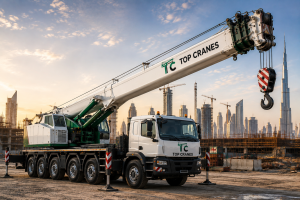
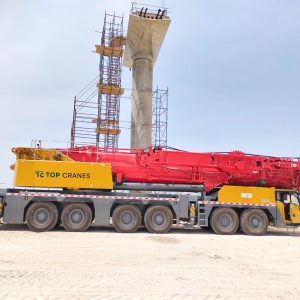
Different crane types offer different mobility and setup arrangements. The mobile crane selection guide explains the information needed to discuss truck-mounted, all-terrain and rough-terrain options.
4. Assign planning, supervision and crew roles
Agree who prepares, reviews and approves the lifting plan and risk assessment. Identify the operator, riggers, signal person and supervisor, along with the contractor responsible for site preparation and coordination.
Confirm personnel evidence, familiarisation and induction requirements. The operator competence guide explains why safe operation depends on the complete team.
5. Check documentation and approvals
Match equipment and accessory identifiers to current inspection documents and resolve findings or limitations. Establish which local authority, free-zone and contractor requirements apply. Site approval, public-area occupation and equipment transport may require separate arrangements.
Use the UAE lifting equipment document guide to structure that review. Do not assume that a certificate or a rental contract removes the contractor’s responsibilities.
6. Coordinate the schedule and commercial scope
Link the crane arrival with the load delivery, access approvals, crew availability and landing-area readiness. Compare quotations for the same duration and supporting services. Clarify transport, operators, rigging, fuel, minimum hours, overtime, standby and off-hire terms.
Use the five crane hire questions before confirming a booking. For decisions involving repeated equipment use, consider the renting versus buying cost model separately.
7. Brief, execute and review
Before work starts, review the current plan with the crew, establish exclusion zones and test communication. Monitor weather and conditions throughout the operation. The weather planning guide covers wind, visibility, heat and changing ground conditions.
If conditions depart from the plan, stop and obtain the required review before restarting. Once the load is secured, follow the crane-specific shutdown instructions and record defects, near misses and lessons for subsequent lifts.
Information to send with a heavy lifting enquiry
- Load list with verified weights, dimensions and lifting points.
- Site photographs, access measurements and proposed crane position.
- Pickup and placement points, height and working radius.
- Ground information, nearby hazards and project restrictions.
- Dates, work sequence, required personnel and transport needs.
Discuss your project with Top Cranes
Send Top Cranes your site location, proposed dates, verified load weight, dimensions, lifting height and placement details. Include photographs and known access restrictions so the team can discuss equipment options, availability and the quotation scope.
Call +971 56 247 5452 or email your project requirements. You can also request a project quotation.